SPRING SALE! Secure €370 discount on GAN until 23.03.26!
00000000

Even in the days of horseless carriages, technical progress never stood still. Today, the automotive industry and the world of chip tuning are advancing at a cracking pace. To get to grips with the history of chip tuning, let’s first take a look at how the automotive world came to be.
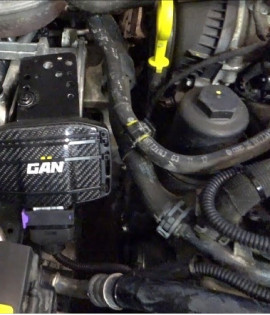
Chip tuning is all about tweaking your car’s electronics to give it a proper performance boost—think more speed and grunt under the bonnet. For some vehicles, like those used in business or on the farm, it’s also a clever way to cut down on fuel costs.

Gone are the days when a mechanic would roll up their sleeves and tinker under the bonnet to coax out a bit more oomph. These days, cars are stuffed to the gills with electronic wizardry—clever chips that natter with sensors and keep the engine’s grunt in check.
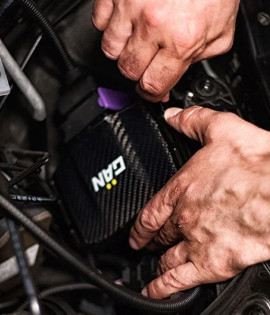
Traditional chip tuners—y’know, the OBD brigade—love to slag off power boxes, don’t they? You’ve probably heard them banging on: Every box maker swears they’ve got some posh German tech, but it’s all codswallop. These boxes just sit between the engine’s brainbox and the sensors, faffing about with the data to bump up power and torque. No clever tricks, no feedback loop—it’s a proper con.
Sounds like they’ve got it all sussed, right? But hold your horses—let’s dig into this. There are three big bits to unpack: technology, deception, and feedback.

Fuel consumption’s a tricky beast—it’s not as straightforward as it seems, with all sorts of sneaky little factors playing a part behind the scenes.
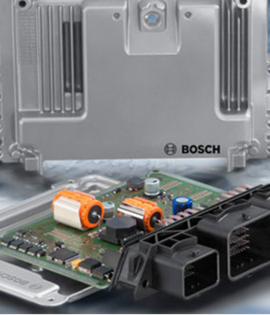
We’re bang in the middle of the internet age, surrounded by all sorts of clever tech, so it’s hardly a shocker that there’s a ton of articles out there about geeky, scientific stuff. The downside? For your everyday bloke with a set of wheels, it’s a proper headache trying to suss out what you can stick on your motor and how it’ll muck up the settings it came with from the factory.

For many car owners, the niggling fear of warranty woes is enough to slam the brakes on chip tuning. Let’s cut through the noise, break it down into manageable chunks, and get some straight answers.
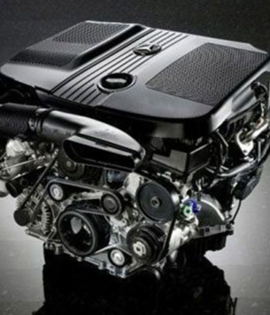
Let’s dive headfirst into the gritty history of the turbo-diesel engine. Way back in 1885, a clever Englishman named Herbert Akroyd Stuart started fiddling about with paraffin oil for engines. Unlike petrol, which vanished into thin air in carburettors, paraffin was a stubborn sort—perfect for his experiments.
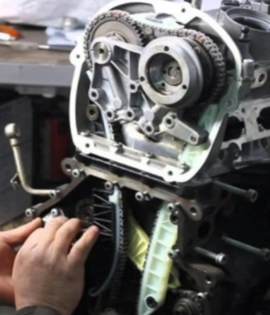
When we natter on about our cars, we’re quick to chuck around words like diesel
or petrol engine
, and some petrolheads might crow about their turbocharged monster. But naturally aspirated engine? That’s not exactly the sort of phrase you’d drop over a pint down the local. And yet, these unsung heroes are the ones keeping most of the motors chugging along our city streets.
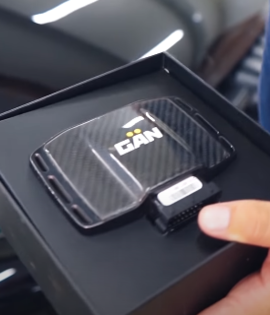
Most of the blabber you find online about chip tuning comes straight from the folks trying to flog it. They’ll spin you a yarn about how it’s the bee’s knees—more speed, more power, no catch. Well, we’re not here to sell you anything. We’re dishing out the straight-up truth, no faffing about. Whether you decide to soup up your ride or leave it be after reading this, that’s your shout—we couldn’t care less.

Fancy giving your motor a bit more grunt? You’re not alone—loads of us dream of turning our wheels into something with a proper kick. So, how do you crank up the engine’s power without faffing about too much? Let’s have a butcher’s and see if this tuning
lark can sort you out.


Contact us via WhatsApp
We are using cookies so that your shopping experience gets better. By continuing to browse our website you are accepting USAGE OF COOKIES.